

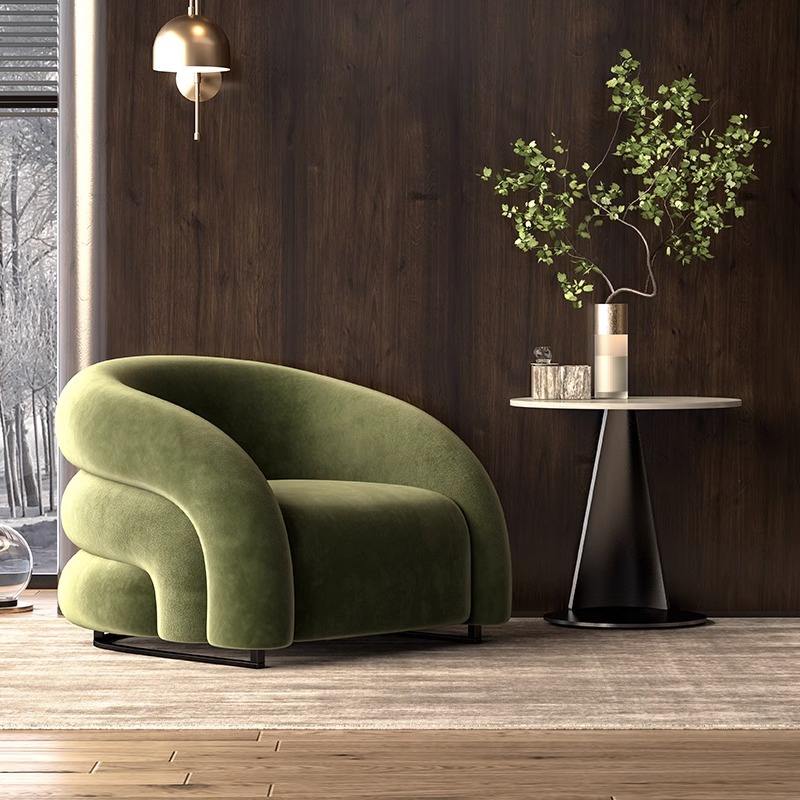
Wood Furniture Care: 7 Easy Tips That Actually Work
1. Dust Smart – Not Hard
Dust isn’t just unsightly; it’s abrasive. When you wipe a dry cloth over a dusty surface, those tiny particles scratch the finish like fine sandpaper.
What actually works: Use a soft, lint‑free microfiber cloth lightly dampened with water (not wet!). The moisture traps dust instead of pushing it around. Wipe in the direction of the wood grain. For hard‑to‑reach carvings, use a soft paintbrush or a cotton swab.
Avoid: Feather dusters and dry rags – they just relocate dust and can leave micro‑scratches.
—
2. Keep It Out of the Sun’s Crosshairs
Direct sunlight is wood’s silent enemy. UV rays break down the finish and slowly bleach or darken the natural color. That beautiful cherry wood may turn muddy, and a walnut table can fade unevenly.
What actually works: Position furniture away from windows when possible. Use sheer curtains, blinds, or UV‑blocking window film. Rotate decorative items (vases, books, lamps) on tabletops every few months so any fading happens evenly.
Pro tip: If you notice a light spot after moving an object, that’s the original color. Time to rearrange your room layout.
—
3. Control Humidity Like a Pro
Wood is hygroscopic – it absorbs and releases moisture from the air. When humidity swings too high or too low, wood expands and contracts. Over time, that movement causes cracks, warped tabletops, and loose joints.
What actually works: Keep indoor humidity between 40% and 55%. Use a humidifier in dry winter months and a dehumidifier or air conditioner in sticky summer weather. A cheap hygrometer (humidity meter) costs about $10 and tells you exactly what’s going on.
Warning sign: Drawers that stick in summer but are loose in winter signal unstable humidity.
—
4. Wipe Up Spills – Immediately
Water rings, wine stains, and mystery sticky spots are the fastest way to ruin a finish. Liquids seep into tiny cracks and cause irreversible cloudiness or dark stains.
What actually works: The moment something spills, blot – don’t rub – with a clean, dry cloth. For sticky residue, use a cloth lightly dampened with distilled water (tap water may leave minerals), then dry the area immediately with another cloth.
Never do: Leave a wet glass or a sweating bottle on bare wood without a coaster. Even “waterproof” finishes can fail over time.
—
5. Use Coasters, Trivets, and Felt Pads – Every Time
Heat, moisture, and friction are the three enemies of wood. A hot pizza box or a ceramic coffee mug straight from the microwave can leave a permanent white ring in seconds.
What actually works:
· Coasters for all drinks (hot or cold).
· Trivets or heat‑proof mats for hot dishes, serving bowls, and laptops.
· Felt pads under lamps, vases, electronics, and decorative boxes – they prevent scratches when items are moved.
Bonus tip: Check the felt pads every six months – dust and grit can embed into the felt, turning it into sandpaper. Replace them when dirty.
—
6. Polish the Right Way – Less Is More
Most commercial “lemon polishes” and silicone sprays do more harm than good. They leave a waxy build‑up that eventually looks cloudy, attracts more dust, and makes future refinishing difficult.
What actually works: A high‑quality beeswax‑based polish or natural oil soap (like a diluted castile soap). Apply a tiny amount with a soft cloth, rub gently along the grain, and buff dry. Do this once or twice a year – not every week.
DIY option: Mix 2 parts olive oil with 1 part white vinegar or lemon juice. Shake well, apply sparingly, and buff. Test on a hidden spot first.
When to skip polishing: If your furniture already has a hard lacquer or polyurethane finish, just dust and clean with a damp cloth. Polish won’t penetrate and may leave streaks.
—
7. Fix Minor Scratches – No Sandpaper Needed
Small scratches from keys, pet claws, or sliding decorations are inevitable. But you don’t need to sand or refinish the whole piece.
What actually works for light scratches: Rub a walnut kernel (the meat inside the shell) back and forth over the scratch. The natural oils darken the exposed light wood. Then buff with a soft cloth.
For deeper scratches: Use a furniture touch‑up marker or a wax filler stick matched to your wood color. Apply in thin layers, let dry, and buff gently.
To hide dents: Place a damp cloth over the dent and run a hot iron over it for a few seconds. The steam swells the wood fibers. Repeat as needed, then let dry.
—
Final Thought
Wood furniture ages best when treated with respect, not neglect. These seven tips aren’t complicated or expensive – they’re just consistent habits. Dust smart, control humidity, use coasters, and fix small scratches early. Your dining table, bookshelf, or coffee table will reward you with decades of warmth and character.
Looking for naturally durable, easy‑to‑care‑for wood furniture? Explore our collection – every piece is finished with non‑toxic, protective coatings designed for real life.